
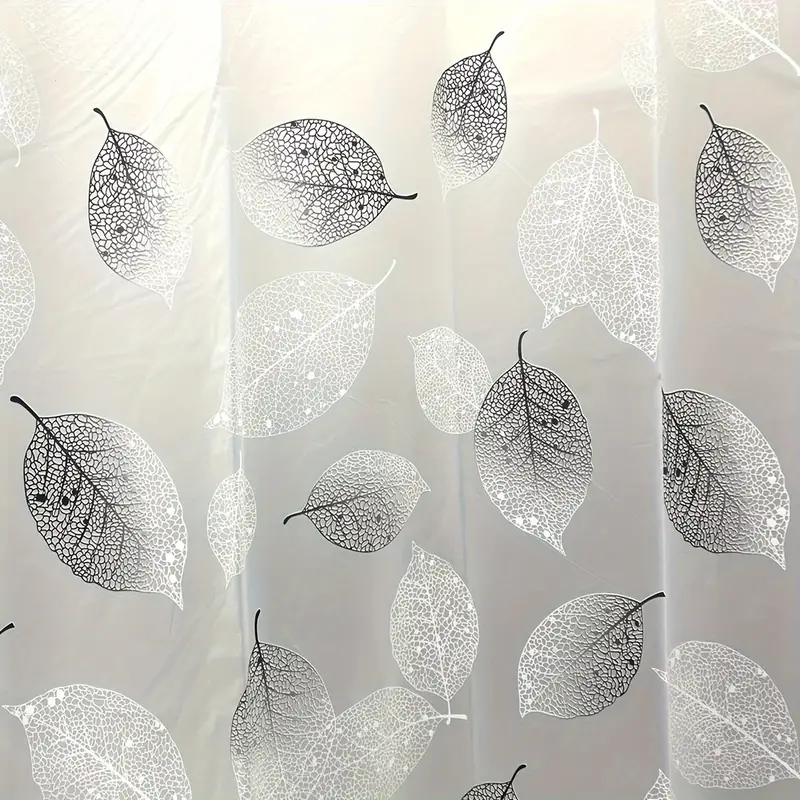
A leaf-print shower-curtain sample enquiry should establish an actual physical-sample offer before describing the deliverable. Ask whether the supplier offers a sample for the identified curtain version. If it does, request whether its declared form is a complete panel, an identified swatch or another supplier-named item, and which pattern area or version it represents. The catalogue bathroom scene cannot supply those answers.
Identify the selected curtain offer
Use the official leaf-print shower-curtain page to identify the catalogue product behind the enquiry. Retain the supplier’s actual version and offer reference beside that identity. Descriptive product wording does not establish composition, performance or a sample service. Ask the supplier for the actual physical deliverable statement associated with the particular proposal being discussed.
https://jghomeware.com/product/peva-shower-curtain-leaf-print-shower-curtain-bathroom-partition/
Keep a buyer’s sample request separate from an expressly offered item. The request can identify what the buyer wants clarified without establishing that the supplier provides a panel or swatch. If no sample is offered, retain that answer. If the subject has not been addressed, record “sample offer not stated” instead of treating an unanswered request as an agreed arrangement.
Ask for the declared deliverable form
Only after an actual offer is identified should the buyer request its physical form. Retain complete panel, swatch, cut piece or another description only when the supplier expressly uses it. Do not choose a form because the catalogue shows a full curtain. A displayed product and a proposed sample deliverable can have different scopes that require an explicit supplier relationship.
If the reply uses a general phrase such as “curtain sample,” preserve it and ask what physical item it identifies. Keep “form missing” separate from “sample not offered.” The supplier can offer a sample without yet describing its form, just as a prior photograph can identify the product without declaring what will be supplied. Each unanswered point should remain visible.
Define what the item represents
Ask which named product version, pattern or area the supplier says the offered sample represents. A statement identifying the leaf design does not automatically establish full-pattern or border coverage. Retain any expressly named area and keep other representation unanswered. The record should show the supplier’s actual scope rather than extending a partial description to the complete curtain presentation.
For example, a supplier could identify an offered swatch and cite the curtain version while leaving the represented pattern area unspecified. The buyer can retain that form and version relationship and keep area coverage open. A catalogue image does not resolve whether the sample represents a named section, a broader pattern reference or another expressly described scope.
Keep sample form separate from other product records
An artwork-layout reference identifies its own proposed content or arrangement. It does not establish the form of a physical sample. Likewise, a reported material or weight-related term does not define the sample’s size, composition or representation. Ask the supplier about the actual deliverable without transferring certainty from a related document into a different correspondence field.
The photographed rings, rod and bathroom setting do not establish supplied accessories or sample contents. Keep the enquiry focused on the named curtain sample. A complete-panel description, if supplied, should remain the supplier’s form statement rather than a buyer-created list of everything visible in the room scene. Any additional inclusion question needs its own actual supplier answer.
Use a sample-form record
The following fields keep offer status, physical form and represented scope distinct. Populate them with supplier wording or a specific unresolved status. The structure does not assume that a panel, swatch, particular area or sample service is available.
| Record field | Supplier information to retain | Status when unresolved |
| — | — | — |
| Curtain offer | Exact leaf-print version and proposal reference | Version unconfirmed |
| Physical sample | Express offer statement and source | Not offered or not stated |
| Deliverable form | Literal panel, swatch or other named description | Form missing |
| Representation | Supplier-named pattern, area and version relationship | Scope unconfirmed |
| Reference | Attributable sample or reply revision | Reference not supplied |
| Clarification | Specific remaining form or applicability question | Awaiting response |
Keep partial clarifications useful without overstating them. A supplier may identify the sample form while leaving pattern coverage unanswered, or name the represented version without describing the physical item. Preserve the resolved field and retain the open one. A single “sample confirmed” status could otherwise make another purchasing colleague assume that every requested relationship has been addressed.
Control revisions and conclusions
If the curtain proposal or named pattern reference changes, ask whether the existing sample statement remains applicable. Retain the earlier declaration against its original references until the supplier identifies the new correspondence. An unchanged catalogue product family does not establish that an offered sample represents every revised version or a different area requested later in the discussion.
A clarified sample description does not establish colour matching, print fastness, material authenticity, waterproofness or strength. It also does not approve a production order or establish a service beyond the actual offer. Preserve the limited purpose of the record: identifying what physical item the supplier says it offers and what that item is expressly stated to represent.
Frequently asked questions
Does the catalogue curtain establish that a complete-panel sample is offered?
No. Use the page to identify the product and ask whether the supplier actually offers a physical sample. Request its declared form separately. A complete curtain in the catalogue does not establish the contents of a proposed sample deliverable.
Can “swatch” be treated as complete pattern coverage?
Retain it only as the physical form expressly described. Ask which pattern area or version the supplier says it represents. The form name does not supply full-pattern or border coverage, dimensions or any other unstated representation.
Does an artwork reference replace the physical-sample description?
Keep the scopes separate. Artwork correspondence concerns its own reference and content. A physical-sample offer requires the supplier’s actual deliverable description and represented scope. Do not transfer an artwork answer into a missing sample-form field automatically.
What closes a sample-form correspondence gap?
An attributable supplier reply linking an actual sample offer, its declared physical form and its named pattern or version scope can close that particular gap. It does not establish material or performance results, production acceptance or further sample availability. Omitted fields remain open.
Send the exact leaf-curtain proposal with any actual sample statement and the unresolved form or representation questions identified. Request the supplier’s applicable deliverable description for that version.
https://jghomeware.com/contact/
Retain the response with the relevant proposal revision. Related purchasing articles can support further correspondence while each sample declaration remains attributed to its own supplier evidence.
https://jghomeware.com/blog/